The flurry of the London Book Fair is rippling through social feeds and newsletters across the globe. Deals were struck, panels were held, a few unexpected game changers emerged, and perhaps, most importantly, authors can try to get a read on what the next year might hold. During his keynote, Tom Weldon, CEO of Penguin Random House UK, offered a few thoughts that, in my humble opinion, deserve a closer look. Someone in Weldon’s position has the power to shift the industry, soothe long‑standing anxieties, and even speak for those of us who rarely get a seat at the table. But it’s what he doesn’t say that’s worth paying attention to.
Writers are often told to find their people, a community of peers in the same boat. And yes, community matters. We learn from each other, we share resources, we lift the collective. But limiting ourselves to one camp can create an echo chamber. Exposure to different corners of the industry broadens our understanding and sharpens our decision‑making. Which is why I paid attention to what he had to say about indie authors.
According to Weldon, traditional publishing is watching, and learning from, the indie ecosystem. We’ve known this for years. How do you compete with a system you don’t understand? If readers are paying attention, we need to give attention where it’s due. Whenever someone asks me, “Which path is better, trad or self‑pub?” I always answer with caution. The choice is deeply personal, and both routes come with their own pros, cons, and nuances. But reading the various reports on Weldon’s speech, I can’t shake the sense that traditional houses are changing… just not fast enough. Hasn’t the pace always been a frustration? At the same time, it’s clear that indie authors are making a dent too big to ignore.
I also found it interesting that Weldon emphasised how the big houses can support indies. He’s not wrong. They have larger teams, deeper pockets, and more institutional clout. It’s part of why I pursued the traditional route myself. But in the same breath, I can’t help wondering if he is taking steps to close the gaps. (Can you tell I love playing devil’s advocate?)
Traditional publishing is built on the “yes” game. First, an agent must say yes. Then an editor. Then the editor’s team. Then acquisitions. Then sales. Then marketing. The publication of a single manuscript requires a chain of approvals. I’ve heared the number is thirteen people, give or take. Only then do negotiations begin. Months, sometimes years, pass before a book reaches readers. And yes, the advance can make the wait worthwhile. But is that all indie authors are looking for? Only you can answer that.
More and more industry professionals I speak to are landing on the same conclusion: the future is hybrid. Each writer must choose what’s right for them, of course, but a hybrid career offers the best of both worlds. You learn from a wide spectrum of professionals, you adapt, you pivot, you refine as your career evolves. Naturally, this path comes with its own complications. Which leads me to the real question.
Why don’t indies or even authors as a whole, have a unified space equivalent to the London Book Fair? Decades into this split industry, most authors operate in isolated pockets rather than as a collective. Imagine a space designed to level the playing field, where indie authors gather not as an afterthought but as a force. Perhaps that’s the future we should be building toward?
*This is an opinion piece and does not represent the views of the organisation, or its members.
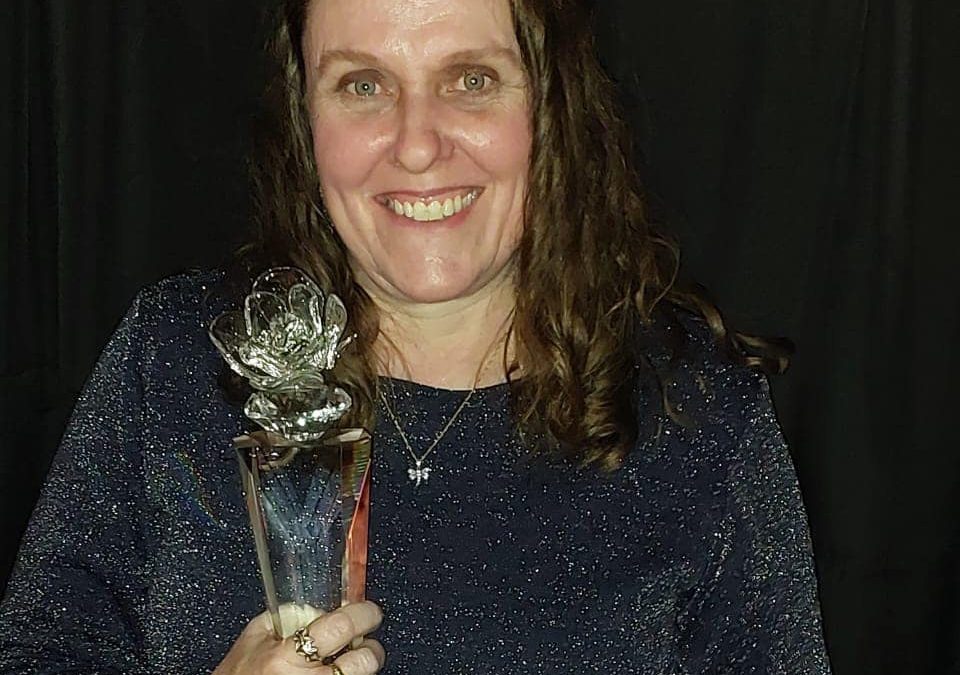
Written by Arini Vlotman, Romance Author
www.arinivlotman.co.za